
If you’ve spent any time shopping for dining room furniture online, you’ve probably noticed something surprising.
Many dining tables look almost identical in photographs.
Some are advertised as solid wood. Others mention veneers, engineered wood, or manufactured materials. The prices can vary dramatically, yet it’s often difficult to understand why.
One of the questions we hear most often is:
“Is solid wood really worth the investment?”
It’s a fair question.
After building handcrafted furniture for years, we’ve learned that the answer isn’t simply about materials. It’s about how you want your furniture to serve your family—not just today, but ten or twenty years from now.
Let’s take a closer look.
Why Two Similar Tables Can Have Very Different Prices
It’s easy to compare two dining tables online and wonder why one costs significantly more than another.
The answer often comes down to what’s beneath the finish.
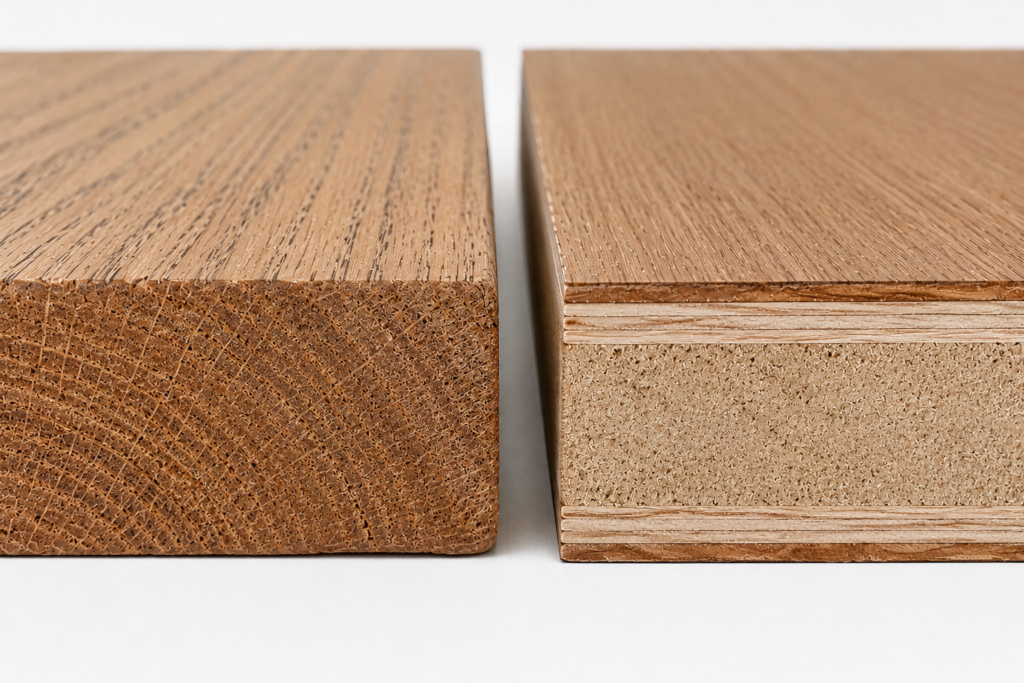
A dining table built from solid wood begins with carefully selected lumber. Every board has its own grain pattern, color variation, and natural character. Those boards are carefully chosen, milled, assembled, sanded, and finished by skilled craftsmen.
Furniture built with veneers often uses a thin layer of real wood applied over engineered materials.
There’s nothing inherently “bad” about veneer. In fact, it has its place in furniture manufacturing.
The important thing is understanding the difference before making a purchase.
What Makes Solid Wood Different?
Solid wood furniture has something that’s difficult to describe until you’ve lived with it.
It has character.
Every knot, grain pattern, and natural variation tells part of the story of the tree it came from.
No two tables are ever exactly alike.
Over time, a solid wood dining table develops even more personality. The finish softens, the grain becomes richer, and the table reflects the life that’s been lived around it.
Small signs of everyday use often become cherished reminders of family dinners, celebrations, and holidays—not reasons to replace the furniture.
That’s one of the reasons handcrafted furniture is often described as heirloom quality.
From the Woodshop
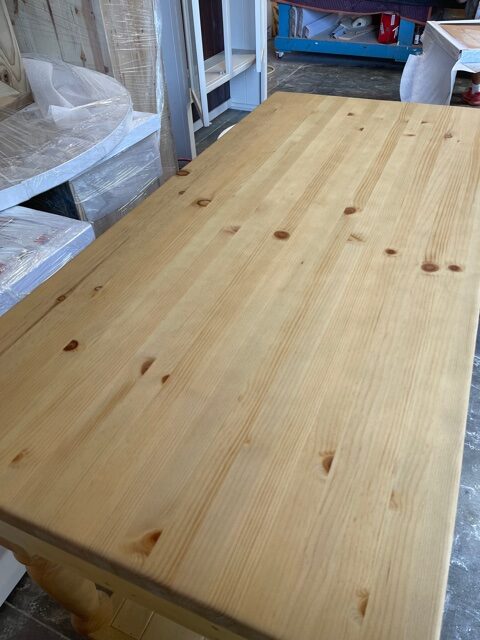
One of the things we enjoy most in the shop is laying out the boards that will eventually become a tabletop.
It’s a slower process than many people realize.
We don’t simply grab the next board from the stack.
We spend time arranging the grain so it flows naturally across the finished table, balancing color, texture, and movement before the first glue-up ever begins.
Most customers will never know exactly how much time goes into that step.
They simply notice that the finished table feels different.
That difference isn’t an accident.
It’s craftsmanship.
Built for Everyday Life
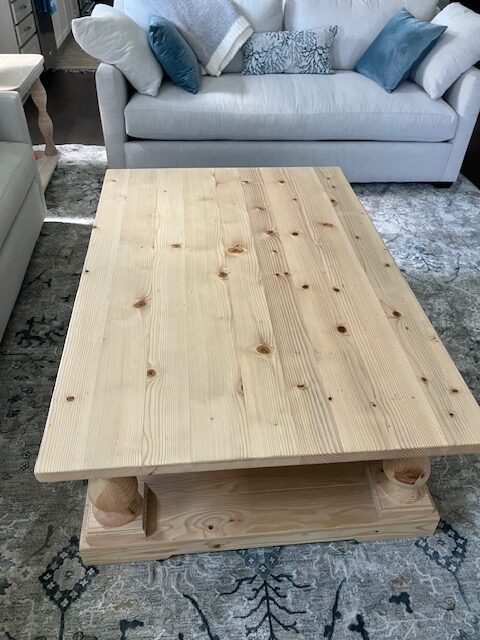
A dining table isn’t meant to sit untouched.
It’s where homework gets finished.
Coffee is shared on quiet mornings.
Holiday meals become family traditions.
Games are played long after dinner ends.
A quality dining table should become part of those moments—not something you’re worried about using.
Solid wood has been trusted for generations because it was built to be lived with.
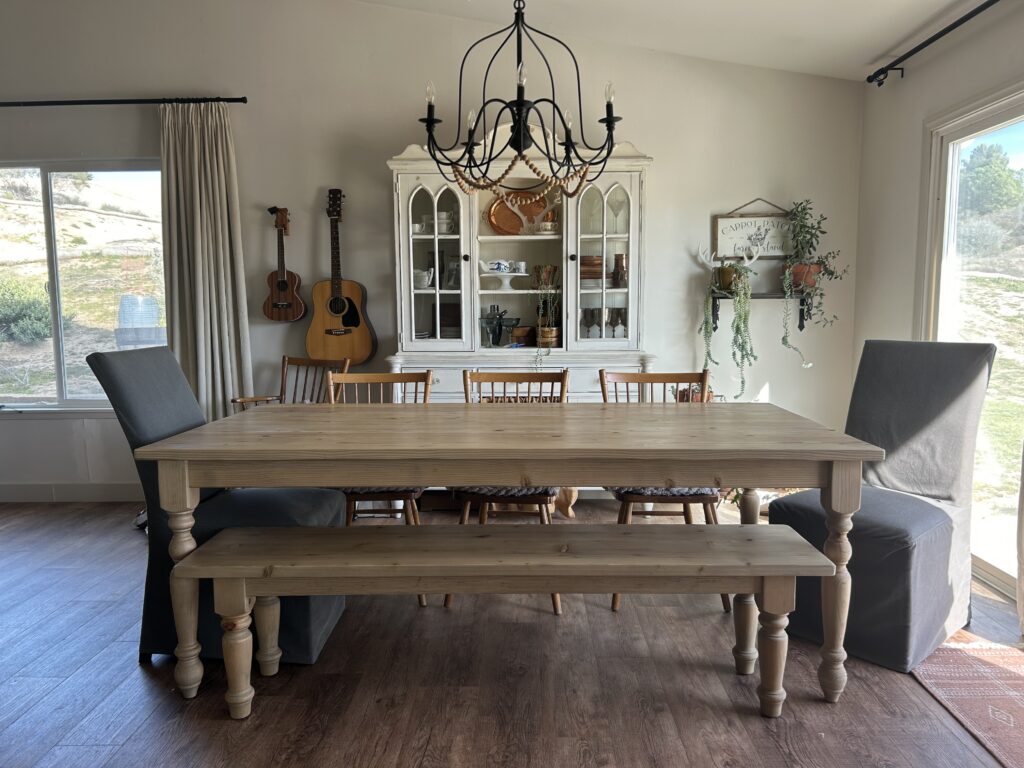
Many of the antique farmhouse tables still being used today weren’t preserved in museums.
They stayed exactly where they belonged—in family homes.
Is Veneer the Wrong Choice?
Not necessarily.
Different materials serve different purposes.
For some homeowners, engineered furniture may be the right fit based on budget, intended use, or how long they expect to keep the piece.
The important thing isn’t choosing one material because someone tells you it’s better.
It’s understanding what you’re buying.
If you’re searching for a dining table that will become part of your family’s story and remain in your home for decades, solid wood offers advantages that are difficult to replicate.
Choosing Furniture That Matches Your Priorities
Every family has different priorities.
Some are looking for the lowest price.
Others are searching for furniture that reflects the craftsmanship, quality, and longevity they value.
Neither approach is inherently right or wrong.
But it’s worth asking yourself one question before making a decision:
What do I want this dining table to look like twenty years from now?
That answer often makes the decision much easier.
More Than a Dining Table
The dining tables we build aren’t designed around today’s trends.
They’re designed around tomorrow’s memories.
That’s why we continue to believe in real wood, thoughtful craftsmanship, and furniture built one piece at a time.
Long after the boxes have been recycled and the delivery trucks have left, what remains is the table.
And everything that happens around it.
Continue Exploring
If you’re researching handcrafted dining tables, these articles may also help:
- Why Farmhouse Dining Tables Have Remained a Family Favorite for Generations
- What Size Farmhouse Dining Table Do I Need? A Complete Seating Guide
- How to Choose the Best Wood Species for a Dining Table (Coming Soon)
- Round vs. Rectangle Dining Tables: Which Is Right for Your Home? (Coming Soon)
Let’s Build Something That Fits Your Home
One of the advantages of working with a family-owned furniture maker is that you’re not limited to standard sizes and configurations.
Over the years, we’ve helped customers customize dining tables, kitchen islands, media consoles, bookcases, and other pieces to better fit their homes and lifestyles.
If you’re considering a piece from Vintage Mill Werks and have questions about:
- Live Photo Samples
- Custom Dimensions
- Finish Options
- Design Modifications
- Seating Capacity
please send us an email at:
info@vintagemillwerks.com
Many of our products have been built in multiple sizes, finishes, and custom variations that may not currently be shown on the website.
If there’s a particular piece you’re interested in, let us know and we’ll gladly share any additional photos we may have available.
Because custom projects often involve multiple specifications and design details, all custom furniture requests and special-order inquiries begin through email.
We look forward to helping you create a handcrafted piece that’s built specifically for your home.
Vintage Mill Werks
info@vintagemillwerks.com